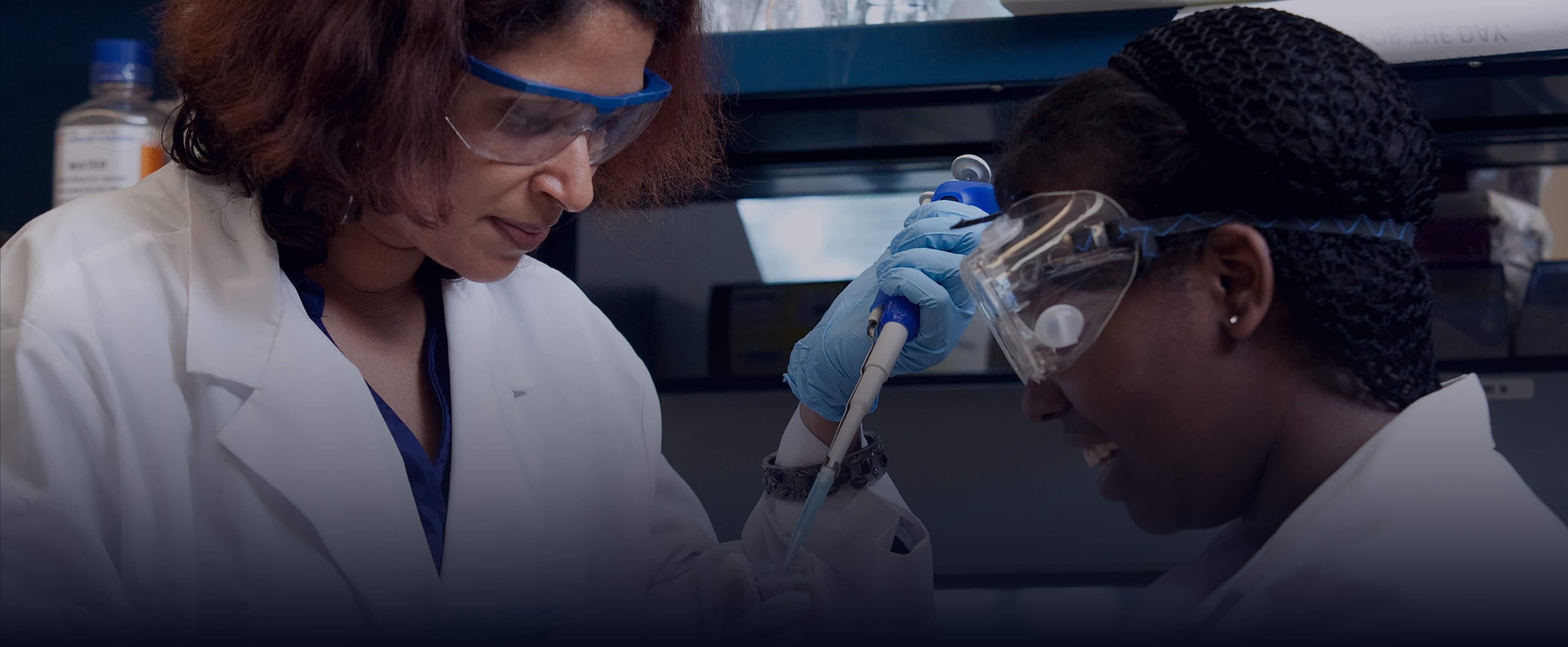
Spelman STEM Equity Hub
What is the STEM Equity Faculty Fellowship?
The Center of Excellence for Minority Women in STEM at Spelman is committed to advancing equity in STEM and being an exemplar for the nation as we equip, empower and elevate Black women in STEM to thrive and lead.
In an effort to understand the experiences and success of Black women within and across STEM disciplines, the center supports Spelman faculty as STEM Equity Faculty Fellows for an academic calendar year.
Generous benefits are provided to support these fellows in advancing STEM equity as they create and disseminate research about Black women in STEM.
In an effort to understand the experiences and success of Black women within and across STEM disciplines, the center supports Spelman faculty as STEM Equity Faculty Fellows for an academic calendar year.
Generous benefits are provided to support these fellows in advancing STEM equity as they create and disseminate research about Black women in STEM.
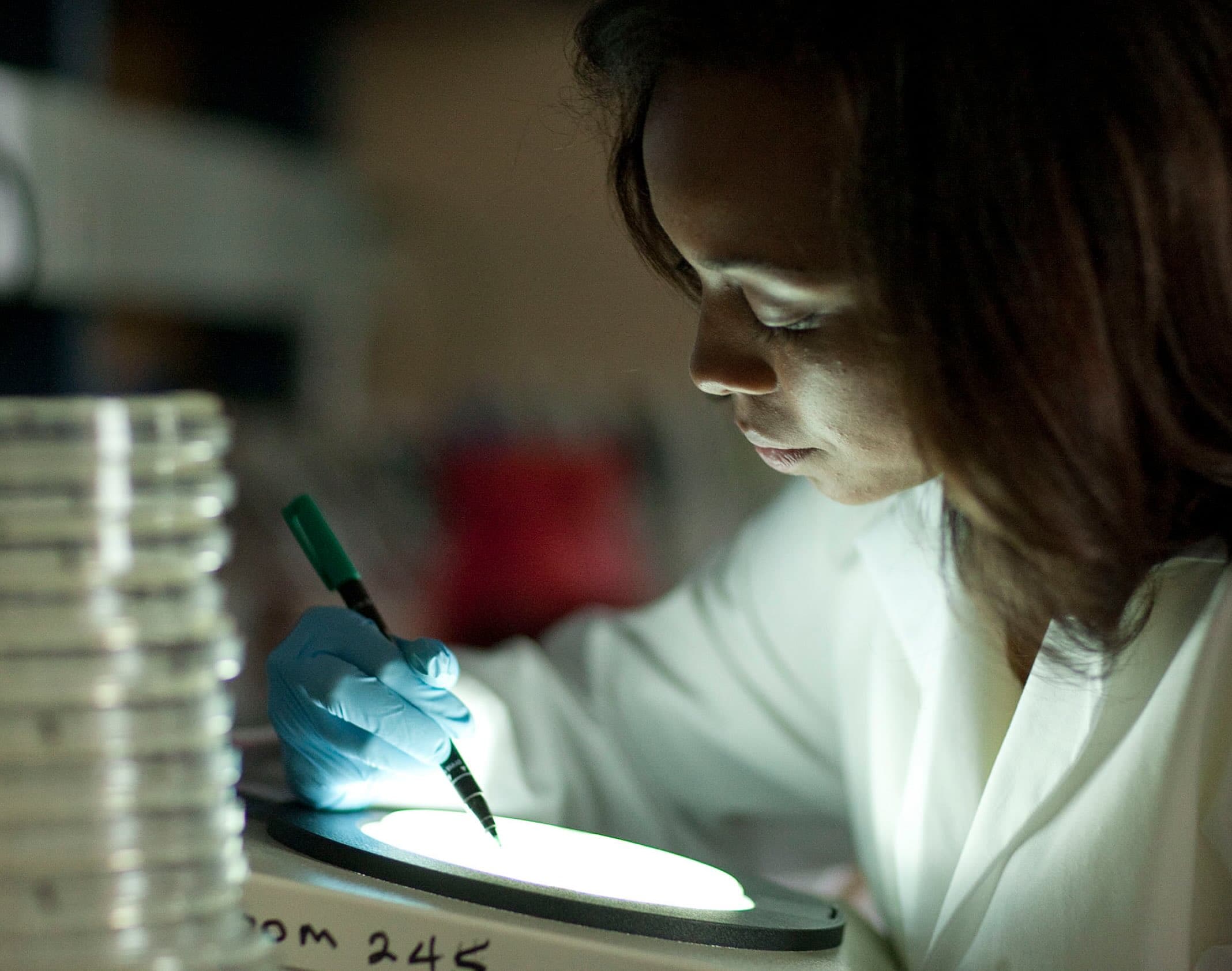
STEM Equity Faculty Fellows-Cohort I
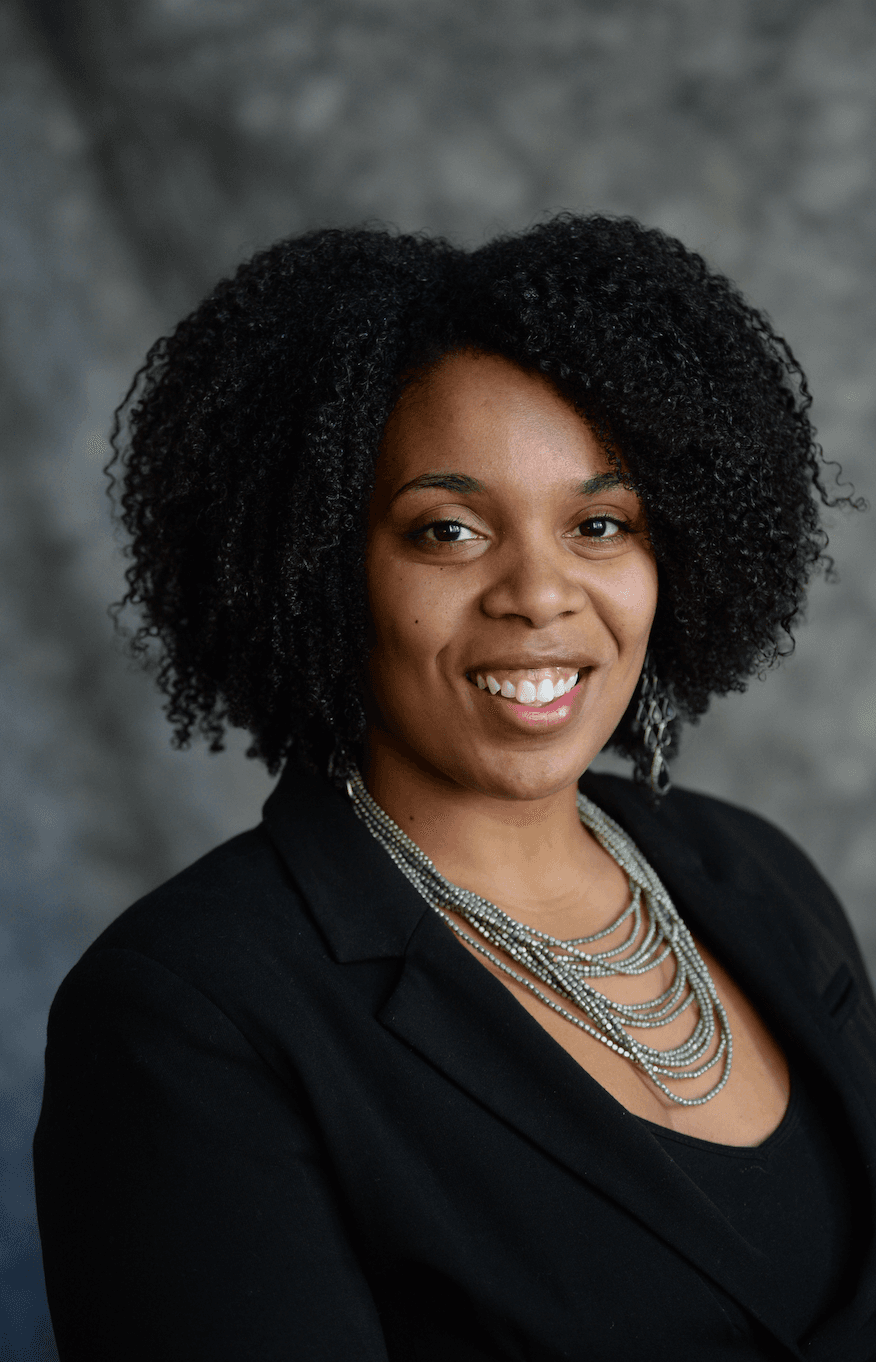
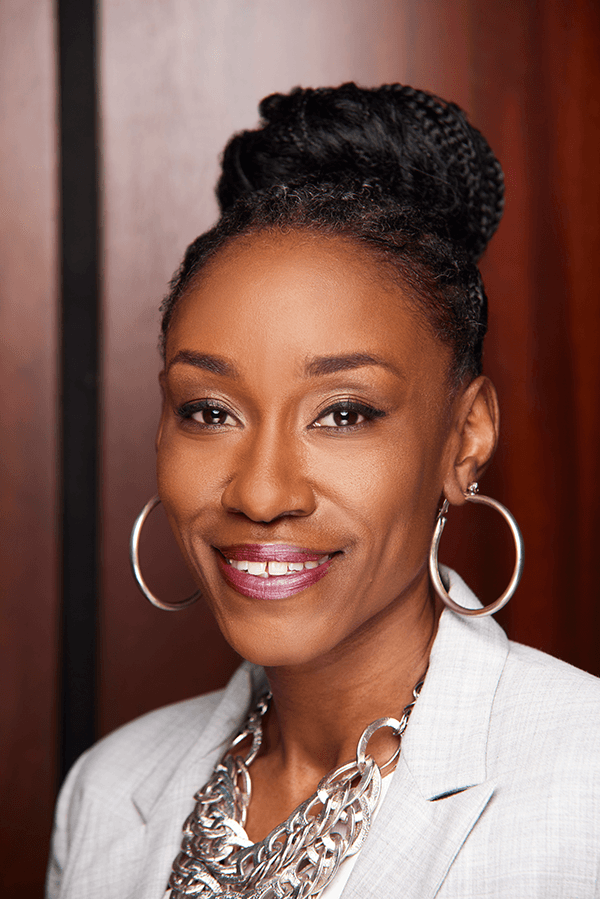

STEM Equity Faculty Fellows-Cohort II (2024-2025)
Lisa Hibbard
Professor, Chemistry and Biochemistry
Developing Culturally Relevant Case Studies for Use in the General Chemistry Course Sequence
Daniel Ashley
Assistant Professor, Chemistry and Biochemistry
Chemical Education Realized through Interactive Story-telling Experiences (Cerise)
Shantesica Gilliam
Assistant Professor, Environmental and Health Sciences
Intersectionality Inquiry: Positioning Critical Theories Towards an Index of Black Women’s Functioning in STEM Settings
Rebecca Choudhury
Assistant Professor, Economics
Identifying the Most Critical Factors that Inspire (or Impede) Black Women/’s Decision to Pursue a Major in Economics
Shani Harris
Associate Professor, Psychology
What did SHE do? Exploring the impact of an intensive undergraduate health-promotion research experience on Black women’s STEM career trajectories
Chatee Richardson
Assistant Professor, Education (Lead)
Safety Net or Free Fall: Assessing Interactions and Pedagogical Practices as Protective Factors or Barriers for Black Women in STEM